
What is Chronic Fistula?
A chronic fistula is a small tunnel that forms between the skin and another body part, often near the anus. This tunnel does not heal on its own and can cause ongoing problems. Many people search for the Ayurvedic approach to chronic fistula management because they want gentle and natural care. Chronic fistulas can last for months or even years. They may come back even after treatment. According to the World Health Organization (WHO), fistulas can affect quality of life and need proper care.
Common Symptoms of Chronic Fistula
Chronic fistulas often show clear signs. However, symptoms can vary from person to person. Some common signs include:
Because symptoms can be mild or severe, it is important to seek help if you notice any of these signs.
Causes and Risk Factors
Chronic fistulas can develop for several reasons. For example, they may form after an infection or injury. Sometimes, a blocked gland or abscess leads to a fistula. Other causes include:
Additionally, people with poor hygiene or certain medical conditions have a higher risk.
Ayurvedic Perspective on Chronic Fistula
In Ayurveda, chronic fistula is called “Bhagandara.” This ancient system sees the condition as an imbalance of the body’s energies, or doshas. According to Ayurveda, poor digestion, unhealthy diet, and lifestyle habits can lead to fistula. Therefore, Ayurveda for fistula care focuses on restoring balance and removing toxins from the body. Many people choose this approach for its natural remedies for chronic fistula and gentle healing methods.
Ayurvedic Diagnosis Methods
Ayurvedic doctors use several ways to diagnose chronic fistula. First, they ask about your symptoms and health history. Next, they may check your pulse and look for signs of dosha imbalance. Sometimes, gentle physical exams help find the fistula’s location. In some cases, doctors use modern tools along with traditional methods. This combined approach helps create a personalized plan for each patient.
Ayurvedic Treatment Approaches
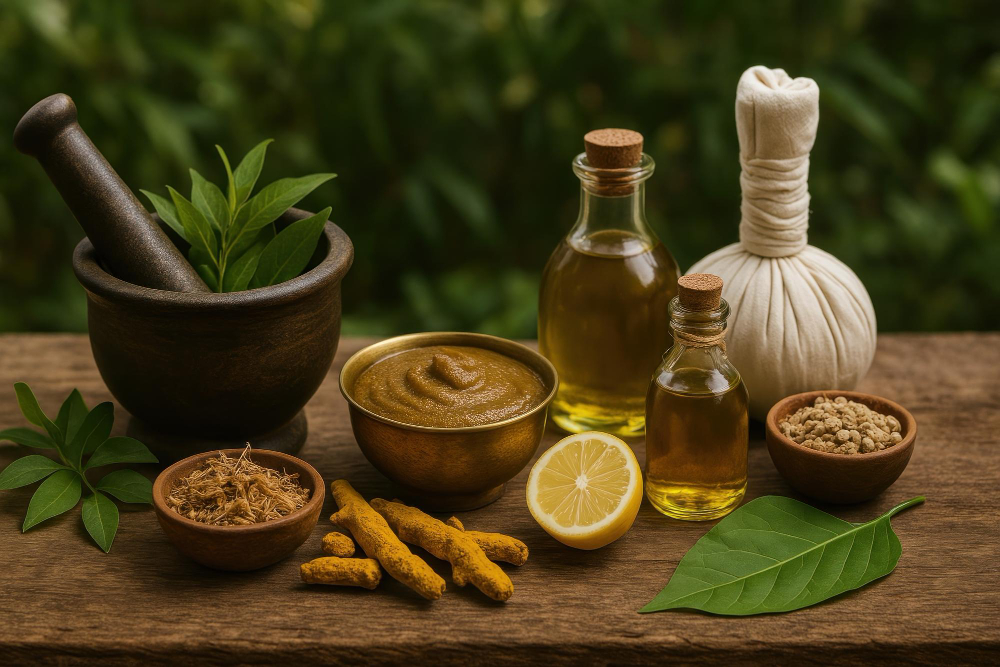
Ayurvedic treatment for fistula uses natural therapies and herbal remedies. These methods aim to heal the fistula, reduce pain, and prevent recurrence. Common Ayurvedic treatments include:
Because every person is different, Ayurvedic doctors tailor treatments to each patient’s needs. Many clinics in cities like Delhi, Mumbai, and Bangalore offer these therapies under expert care.
Lifestyle and Dietary Guidance in Ayurveda
Ayurveda believes that healthy habits support healing. For this reason, doctors suggest lifestyle changes along with treatment. Some helpful tips include:
Additionally, stress management through meditation or breathing exercises can improve overall well-being.
Prevention Tips Based on Ayurveda
While not all fistulas can be prevented, Ayurveda offers helpful advice. For example, you can lower your risk by:
Because early care is important, seek help if you notice any symptoms. Ayurvedic care centers across India can guide you with natural remedies and personalized advice.